What is Your B2B SaaS Solution Really Worth?
When you’re selling SaaS software, clearly it’s important to figure out what your product is really worth. One way to do that is to think about how much value you deliver, compare it to the competition, and set prices accordingly. That’s the way most vendors operate, and it has served the industry pretty well.


Table of contents

Your product can clear a buyer's ROI bar and still lose the deal, because buyers weigh an upfront cost more heavily than a long-term benefit. This post covers pricing to what segments will actually pay, the cash flow pressure behind stalled purchases, and why discounting is the wrong fix. It shows how Ratio Boost lets buyers pay over time while you collect the contract value upfront.
How best to adjust to market changes and buyer needs.
When you’re selling SaaS software, clearly it’s important to figure out what your product is really worth. One way to do that is to think about how much value you deliver, compare it to the competition, and set prices accordingly. That’s the way most vendors operate, and it has served the industry pretty well.
But there’s another, arguably more scientific, way to think about value: look at what specific customer segments will actually pay for your product. In fact some argue that pricing is the largest untapped growth lever for the modern tech CEO¹. The reality is that many B2B buyers might back away from making a purchase once they see how much they’ll have to pay — even if your product delivers value that significantly exceeds the cost to the customer.
In other words, ROI alone isn’t enough to win over buyers. That’s partly because of cognitive biases that lead both consumers and B2B buyers to place a greater value on short-term costs than on longer-term benefits — so an up-front cost will be weighed more heavily than a long-term benefit, even if over time there’s a clear and tangible ROI.
It’s also because enterprise buyers, especially at smaller companies or departments with corporate imposed budget constraints (e.g. marketing), recognize that cash is king, especially in the current market conditions. In a recent poll, 80% of small businesses expect a recession this year², and according to Gartner IT growth³ is declining, resulting in “cash flow shockwaves” as one VC put it⁴. That leaves SaaS buyers facing a real dilemma: spend money up front and wind up with cash flow issues later when they really need capital, or cancel or delay the purchase of software that drives real accretive business value in the mid to long term.
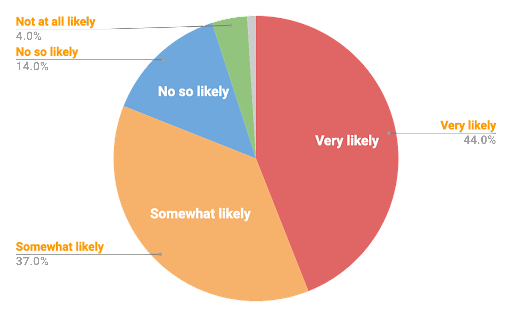
What does all this mean for SaaS vendors? It means you should seek not just to provide ROI, but also to align your pricing and payment schedule with your buyers’ actual cash flow and/or budgetary needs—something you can quickly model with our funding comparison calculator. If your buyers see short-term or up-front payments as especially costly, you can keep them happier and close more deals by providing more flexible payment structures — even if you drive up the total contract value in the process.
That’s where solutions like Ratio’s Boost for SaaS come in. Our pricing and payment solution enables B2B SaaS vendors to implement consumer-style “buy now, pay later” options, allowing customers to flexibly select payment schemes that align with their needs, while still giving vendors instant access to the cash upfront derived from the value of the contract.
We also use smart, AI-enabled tools to predict the risk and growth potential associated with any deal, enabling the programmatic creation of individualized pricing and payment plans for any buyer. The result: a smarter way of doing business that unlocks more value for both vendor and buyer, and ensures that SaaS pricing fully aligns with the buyer’s cash-flow constraints and their perception of what a given solution is worth. See how one SaaS provider customer story illustrates the impact. See how one SaaS provider customer story illustrates the impact.
Right now, many SaaS vendors are leaving money on the table by using discounting to draw in hesitant customers, or by missing out on deals altogether. At Ratio, we believe there’s a better way, using flexible, tech-driven checkout solutions to enable more intelligent and agile pricing strategies — and we know that in today’s competitive SaaS space, businesses can’t afford to miss out on that opportunity.
If you want to see a demo or learn more about how a better buyer experience can help take your SaaS business to the next level, get in touch.
Sources:
- Why pricing deserves as much iteration as product development—and how one multibillion-dollar public tech company does it
- CNBC| SurveyMoneky poll
- Gartner forecast of IT spending
- Cash Flow Shock Waves
↗
The Closing Motion Platform
Sellers on Ratio see up to 30% higher close rates and 25% higher ACV.


